14 Milky Nail Shades for Every Skin Tone
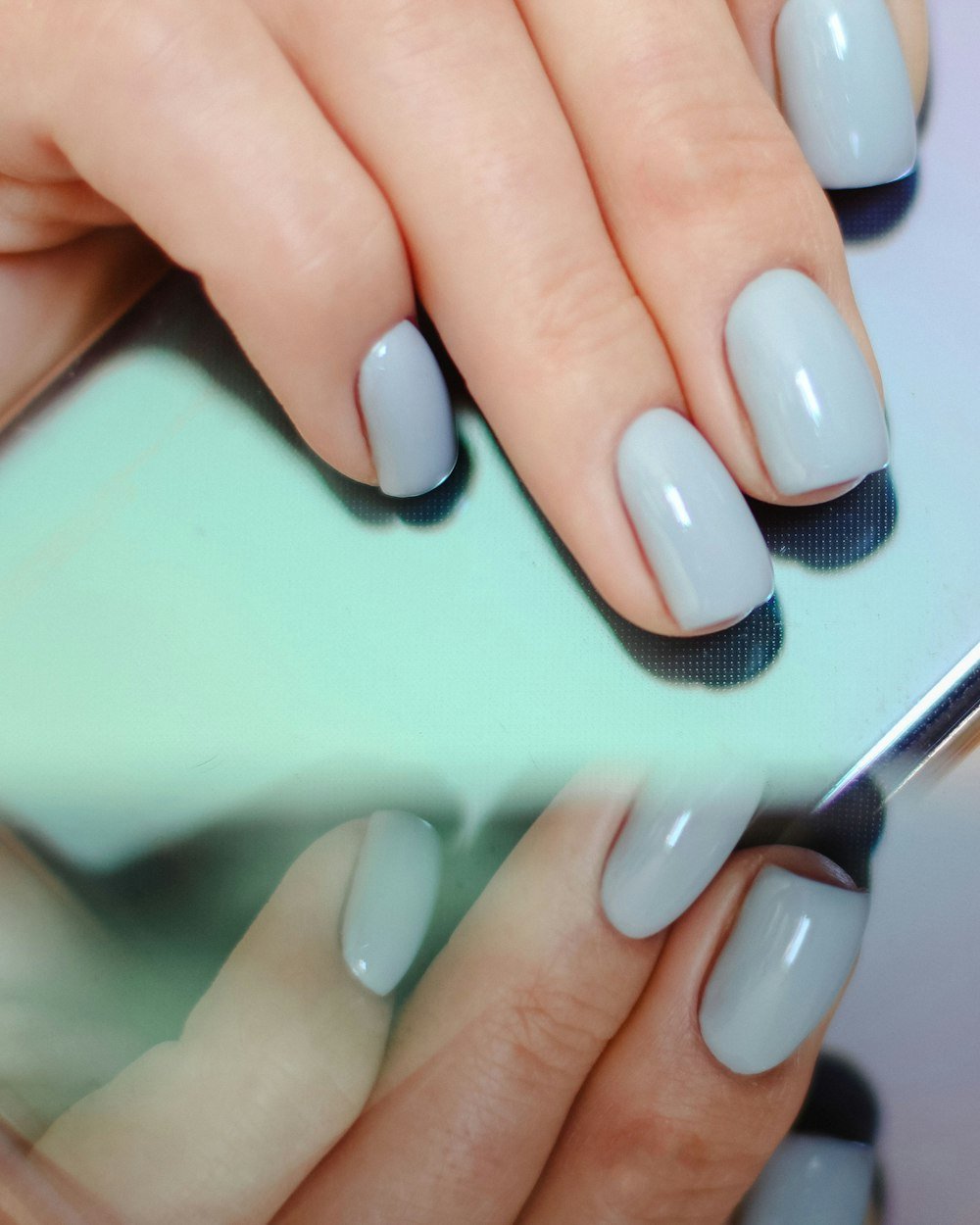
Milky white covers roughly forty different polishes, and the thing that separates them is whether the base leans pink, yellow, grey or blue. Choose wrong and your hands look washed out, or oddly yellow, or grey.
How milky shades actually work
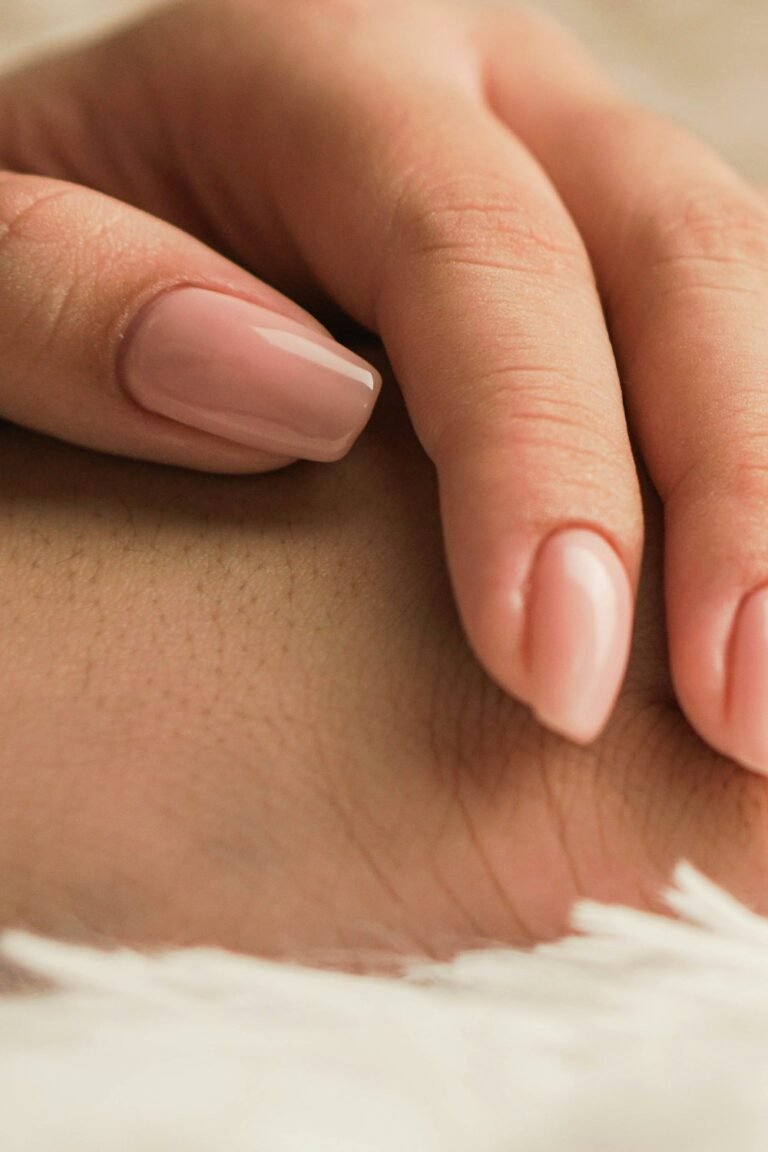
A milky polish is sheer white carrying just enough pigment to look solid at two or three thin coats. Because the formula stays semi-sheer, your natural nail colour shows through and shifts the final result. This is precisely why the same bottle looks different on two different people, and why swatch photographs are so often unhelpful.
Matching the base to your undertone
Cool undertones
If your skin has blue or pink undertones, choose milky shades built on a pink or blue-white base. Avoid anything yellow-based – against cool skin it turns a flat grey.
Warm undertones
Golden or olive skin wants ivory and cream bases. A pure blue-white will look stark and chalky, and will emphasise any yellow in the natural nail.
Neutral undertones
Almost anything works. Start with a true soft white and adjust from there.
Deep skin tones
Milky shades are genuinely striking on deep skin, but very sheer formulas can look patchy. Use three thin coats rather than two, or choose a slightly more opaque milk.

Fourteen directions to try
Pure soft white, ivory, cream, greige, milk with a pink tint, milk with a peach tint, oat, bone, pearl, milk layered over a nude base, milk with fine shimmer, milk topped with chrome, sheer milk on bare nails, and a milk-to-clear gradient.
The practical advantage
Milky shades grow out almost invisibly. There is no hard regrowth line at ten days, which makes them the most forgiving choice if you cannot get to a salon regularly.