The Chrome Manicure, Explained by Someone Who Ruined Three
My first chrome manicure lifted within two days. The second went patchy straight across the middle of every nail. The third looked correct for roughly six hours and then developed a strange dull film, as though it had been breathed on.
The fourth one worked. Here is exactly what the difference was.
Attempt one: the wrong top coat
Chrome powder needs a no-wipe gel top coat. I used a regular gel top coat, wiped away the sticky inhibition layer as usual, and then tried to burnish powder onto a surface that had nothing left to grip.
The powder sat on top rather than bonding. Two days later it lifted in sheets.
Attempt two: too much powder, not enough pressure
Chrome is not applied like polish. It is burnished. A very small amount of powder, rubbed firmly with a silicone applicator for fifteen to twenty seconds per nail, until the surface goes properly reflective.
I used far too much powder and pressed far too gently, which produced a dusty grey sheen rather than a mirror.
Attempt three: I skipped the seal
Chrome has to be capped with a further layer of gel top coat, and that layer must include the free edge of the nail. Miss the edge and moisture gets underneath, and the whole thing lifts from the tip inward.
The sequence that works
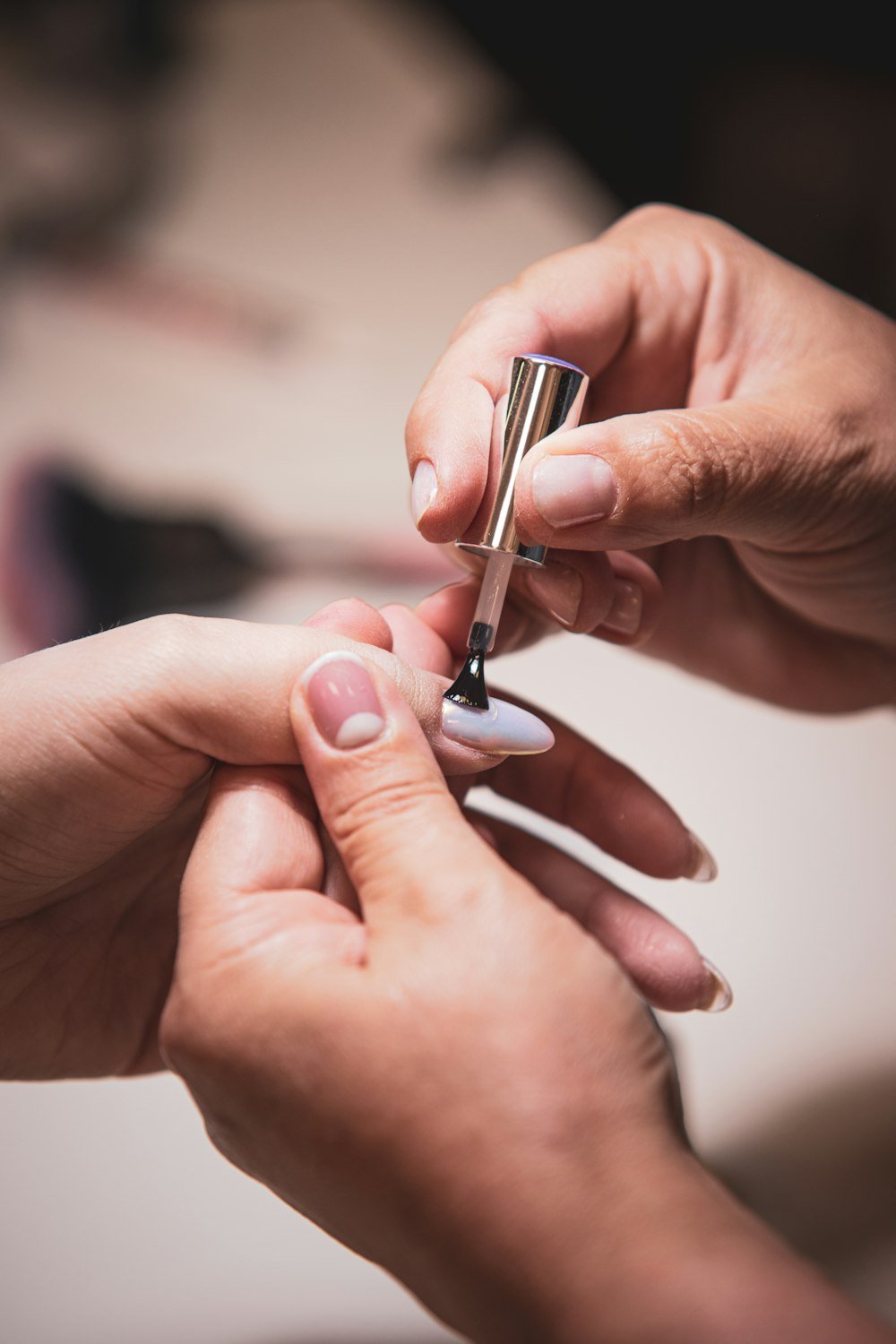
Base gel, cure. Colour coat – use black or a very deep shade underneath for mirror chrome, or white for a pearl finish – and cure. No-wipe top coat, cure, and do not wipe it. Burnish the powder firmly, then dust away the excess with a soft brush. Seal with a final top coat, cap the free edge, and cure.
Honest expectations
Chrome will not last three weeks, whatever the packaging suggests. Ten to fourteen days is realistic. It also dulls gradually rather than chipping, which some people prefer – there is no obvious moment where it looks broken.